0%

Custom Bikini demand gives global buyers more room to serve distinct body types, style preferences, and price points. But a compelling sketch is only the beginning. Fit, fabric recovery, lining, stitching, and colorfastness all shape the finished suit. Grand View Research estimated the global swimwear market at approximately US$20.7 billion in 2023, reflecting a sizable and competitive category. Market growth alone, however, does not guarantee that every supplier can deliver consistent quality.

For buyers comparing the 10 best Custom Bikini manufacturers, the practical test is repeatability. Can a factory match the approved sample across sizes and production runs? Can it explain fabric composition, minimum order quantities, sampling charges, and quality checks clearly? Apparel sourcing scholar Dr. Sheng Lu’s research offers a useful lens: supplier decisions involve more than price; sourcing structure and transparency matter, too. These details deserve close attention. A small change in elastic tension can alter how a bikini sits at the waist, while uneven seam finishing may show clearly against smooth swim fabric.

This guide compares manufacturers through the details buyers can verify: customization options, production capabilities, communication, and evidence of quality control. No supplier is right for every brand. Some buyers prioritize low minimums; others need broader fabric choices or dependable repeat orders. Treat each factory’s claims as a starting point, not proof. Request current specifications, review physical samples, and clarify what happens when bulk production differs from the approved fit. One fitting note can save a costly round of revisions.
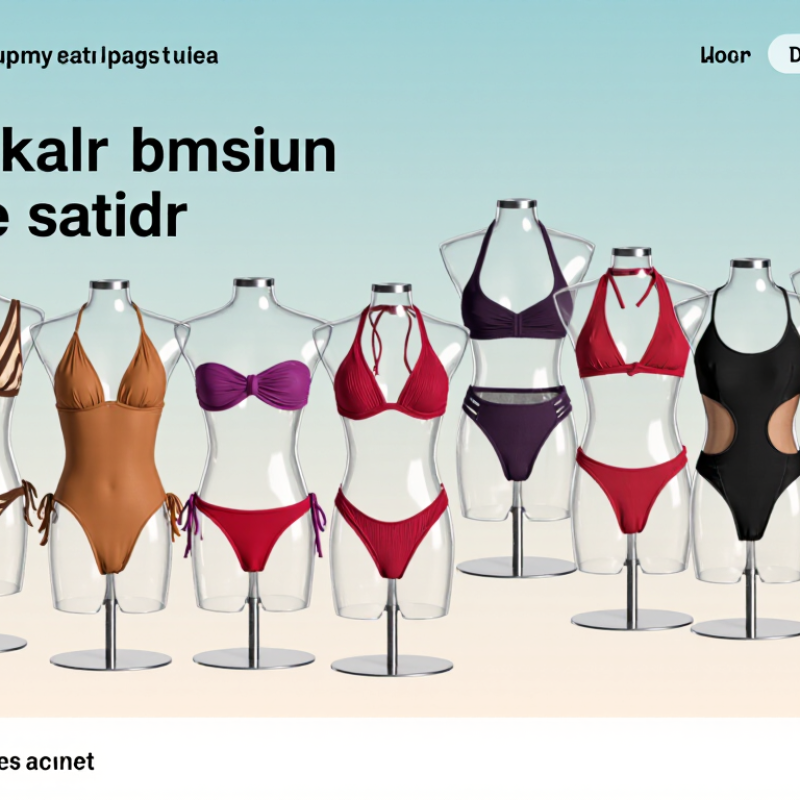
10 Best Custom Bikini Manufacturers for Global Buyers

What Custom Bikini Manufacturing Involves

Custom bikini manufacturing turns a design brief into a repeatable, wearable product. It typically covers fabric selection, pattern development, sizing, sampling, fit adjustments, and production checks. For swimwear, small details matter: lining opacity when wet, elastic recovery, seam comfort, and how straps hold during movement. A sample should be tested on different body shapes, not just a mannequin. A clean sketch is only the beginning.

Material choices affect performance and sourcing. Textile Exchange’s Materials Market Report 2024 estimates that global fiber production reached 124 million tonnes in 2023, with polyester accounting for 57%. This context makes it useful to ask suppliers about fiber composition, fabric weight, stretch recovery, and traceability. Then review a physical swatch under bright light and after rinsing. Fit is rarely perfect on the first sample. That is normal, but revisions need clear measurements and written approval.

Tips: Send a tech pack with sketches, size charts, stitching details, and color references. Request a pre-production sample before bulk cutting. Check seam strength, lining coverage, and label placement yourself; photos can miss puckering or uneven tension. Keep a record of approved materials and measurements, since a small change can affect the whole fit.

What Custom Bikini Manufacturing Involves

A typical custom order moves from design brief to finished-product inspection. The chart shows the usual sequence of stages, not production time or effort; exact workflows vary by manufacturer and order.

How to Evaluate Custom Bikini Manufacturers

When evaluating custom bikini manufacturers, request a production-ready sample, not just a showroom piece. Check seam elasticity, lining coverage, strap adjustment, and how the fabric recovers after stretching. Test it wet. Ask for documented checks after exposure to chlorine, saltwater, and repeated washing; a pleasing first sample can still lose shape. Review the tech pack, size grading, minimum order quantity, sample fees, and lead-time assumptions before approving production. Clear answers matter.

Material claims deserve the same scrutiny. Textile Exchange’s Materials Market Report 2024 estimates that global fiber production reached 124 million tonnes in 2023, with polyester making up 57 percent. The report is not specific to swimwear, but it highlights why suppliers should identify fiber content and provide traceable documentation. Ask for current test reports and verify that any certificate applies to the actual factory and material, not merely a trading office. Request a small pilot order and compare finished pieces against the approved sample. It costs time. Yet skipping this check can make a low unit price misleading. Supplier questionnaires also have limits; confirm key details through records, sample inspections, and direct follow-up.

10 Best Custom Bikini Manufacturers for Global Buyers - How to Evaluate Custom Bikini Manufacturers

A supplier-neutral scorecard for comparing custom swimwear manufacturers. The weights below are suggested evaluation priorities, not verified ratings of specific factories.

Rank Evaluation Dimension Suggested Weight What to Check Evidence to Request
1 Product and Technical Capability 15% Experience with your bikini construction, lining, elastic, hardware, prints, and requested size range. Relevant samples, construction details, and a written review of your tech pack.
2 Sample Development and Fit 14% How the supplier handles patterns, fit comments, revisions, and approval samples. A sample timeline, revision policy, and fit samples reviewed on intended body forms.
3 Fabric and Trim Sourcing 12% Availability, composition, color options, performance claims, and traceability of proposed materials. Fabric swatches, composition information, supplier documentation, and test reports where relevant.
4 Quality Management 12% Documented inspection steps for incoming materials, in-process work, and finished garments. Quality procedures, sample inspection records, and the method used to manage defects and rework.
5 Minimum Order and Production Flexibility 10% Order minimums by style, color, and size, plus the ability to support repeat orders or a trial run. A written quotation showing minimums, size and color breakdowns, and any setup charges.
6 Production Capacity and Lead-Time Planning 10% Realistic production schedules, seasonal capacity, material lead times, and communication about delays. A production calendar identifying material approval, cutting, sewing, inspection, and dispatch milestones.
7 Compliance and Certification Verification 9% Whether relevant legal, social, environmental, or product-safety requirements are addressed for your markets. Current certificates and scope details verified with the issuer; confirm that they cover the facility or product in question.
8 Cost Transparency and Payment Terms 7% Clarity on unit pricing, sampling, custom development, packaging, shipping terms, and payment milestones. An itemized quotation with currency, quote validity, exclusions, and agreed payment terms.
9 Communication and Project Management 6% Response quality, clarity on technical questions, language support, and ownership of project updates. A named contact, agreed update cadence, and written confirmation of specifications and changes.
10 Shipping, Packaging, and After-Sales Support 5% Export-document readiness, packaging options, shipment coordination, and the process for resolving quality issues. Packaging specifications, shipping responsibilities, document checklist, and a written claim-resolution procedure.
Total Suggested Weight 100% Score each shortlisted supplier against the same evidence and requirements.

How to use this table: The ranking reflects suggested evaluation priority, not a claim that any unnamed manufacturer has been independently tested or ranked. Verify specifications, certificates, lead times, and commercial terms directly with each prospective supplier.

10 Best Custom Bikini Manufacturers for Global Buyers

For global buyers, the 10 best custom bikini manufacturers are not simply the suppliers offering the lowest quote. Strong candidates provide clear fabric specifications, consistent stitching, and realistic production timelines. Ask for graded size samples, color lab dips, and trim options before approving bulk production. Those checks reveal more than a polished catalog. Sample details matter.

Compare minimum order quantities, pattern-development support, and capacity for repeat orders. A small test run can show whether straps stay secure and seams lie flat after movement. Check how the fabric feels when wet, too; a swimsuit that looks smooth under studio lights may become uncomfortable in use. One fitting is not enough. Request measurements and construction notes, then compare them with the sample in hand.

Reliable manufacturers explain what they can produce and where limits apply. Buyers should confirm fabric composition, lining, hardware, and packaging in writing, while allowing time for revisions. Communication is part of quality control: note response times and whether answers address specific questions. A missed detail can still happen, and supplier claims deserve verification. Keep approved samples, measurement records, and dated feedback so later production can be checked against an agreed standard.

How Manufacturers Compare on Quality, MOQ, and Lead Time

Custom bikini manufacturers can look similar online, but quality, minimum order quantity (MOQ), and lead time reveal how well each supplier may fit a buyer’s needs. Product photos are not proof. Request a sewn sample and check lining coverage, seam tension, elastic recovery, and print alignment. Gently stretch the waistband and inspect the stitching for skipped loops or puckering. Ask whether the sample uses the same fabric and trims planned for bulk production.

MOQ can vary with fabric availability, print setup, and the number of colors or sizes. A lower threshold may suit a new collection, while larger orders can sometimes simplify production planning. Confirm whether the MOQ applies per design, color, or total order. Get the terms in writing. It is easy to compare headline numbers and miss costly limits on size runs.

Lead time should include sampling, revisions, fabric sourcing, sewing, and packing—not just factory production. Ask for a stage-by-stage estimate and a recent example of a similar order, with private details removed. A detailed schedule is useful, though it is not a guarantee; approvals and material delays can shift dates. Leave room for one correction round. Buyers sometimes underestimate that step.

How to Verify a Supplier and Start a Custom Order

A reliable custom bikini order begins with evidence, not attractive product photos. Ask the supplier for recent production images, fabric specifications, and a short video showing the workshop or sample process. Check that the company’s name, address, and contact details match across its quotation and business documents. Request references from buyers who have ordered similar swimwear, then ask specific questions about fit, delivery, and defect handling. Small details matter. A smooth portfolio alone does not prove consistent production, and one unanswered question is worth following up.

Before paying for a large run, request a sample made with your intended fabric, lining, and hardware. Send a clear tech pack with measurements, color references, stitching notes, and placement of labels. Confirm the sample fee, minimum order quantity, payment schedule, production timeline, and who pays for shipping or revisions. Put agreed tolerances and quality checks in writing. A sample may fit well but behave differently when wet, so test it in water and inspect seams after washing. That takes extra time. It can feel like over-checking, but correcting a vague specification after bulk production is usually harder. Keep dated photos and written approvals for each change.

FAQS

What does custom bikini manufacturing include?

It can include fabric selection, pattern development, sizing, sampling, fit revisions, and production checks. A sketch is only the start.

What should I check when reviewing fabric?

Ask about fiber content, fabric weight, stretch recovery, and traceability. Check a physical swatch under bright light and after rinsing it.

Why should bikini samples be tested on different body shapes?

A mannequin cannot show how straps and seams behave on every body. Check comfort and coverage during movement. Fit may still need revision.

What details belong in a tech pack?

Include sketches, size charts, stitching details, and color references. Record approved materials and measurements, too.

What should I inspect on a pre-production sample?

Check seam strength, lining coverage, label placement, and uneven stitching. Photos can miss it.

How can I compare potential manufacturers?

Ask about minimum order quantities, pattern support, repeat-order capacity, and production timelines. Request graded size samples, color options, and trim details.

How should sample revisions be approved?

Send clear measurements and written feedback. Keep dated notes and an approved sample for comparison. That helps, though mistakes can still happen.

Why does supplier communication matter?

Note response times and whether answers address your specific questions. Confirm fabric, lining, hardware, and packaging in writing. Not always easy.

Conclusion

This guide explains what Custom Bikini manufacturing involves, from selecting fabrics, colors, and design details to confirming sizing, samples, and production requirements. It also outlines how to evaluate potential manufacturers by reviewing their product experience, communication, quality-control practices, customization options, and ability to meet your order needs. These factors can help buyers compare suppliers thoughtfully rather than choosing on price alone.

The guide compares ten manufacturing options across key considerations such as product quality, minimum order quantities, and estimated lead times. Before placing an order, buyers can request samples, clarify costs and production schedules, confirm specifications in writing, and check how the supplier handles revisions and inspections. A careful verification process helps set clear expectations and supports a smoother path from initial design to finished swimwear.

Ethan

Ethan

Ethan is a professional marketing specialist who combines a strong understanding of the company’s products with a clear, customer-focused approach to communication. He regularly contributes expert articles to the company website, explaining product features, practical applications, and key......