0%

Buying Bikinis in bulk in 2026 can help retailers prepare for summer demand, build coordinated collections, and manage unit costs. But a low quote is not a buying plan. Start with a clear customer profile: preferred coverage, color range, size mix, and target price point. A resort boutique may favor textured neutrals, while an online shop may test bright prints and adjustable ties. Small details matter. Check fabric opacity, lining, stitching, hardware, and color consistency across sizes. Ask suppliers for product specifications, sample availability, minimum order quantities, and realistic production and shipping timelines. A sample should be worn, washed, and inspected, not just photographed.

Before placing a large order, compare written quotes and confirm what each price includes, such as packaging, freight, and sample fees. Verify supplier details, payment terms, defect policies, and their process for handling delays. Keep records of approved colors, measurements, and sample changes; vague agreements can create avoidable disputes. Check the labeling and product requirements that apply in your sales market, using reliable official guidance where needed. No spreadsheet can predict every fit issue. That is worth remembering. A modest test order may reveal problems before they reach customers, though it can also leave popular sizes short. This guide explores supplier selection, quality checks, budgeting, order timing, and practical ways to reduce risk when buying Bikinis in bulk.
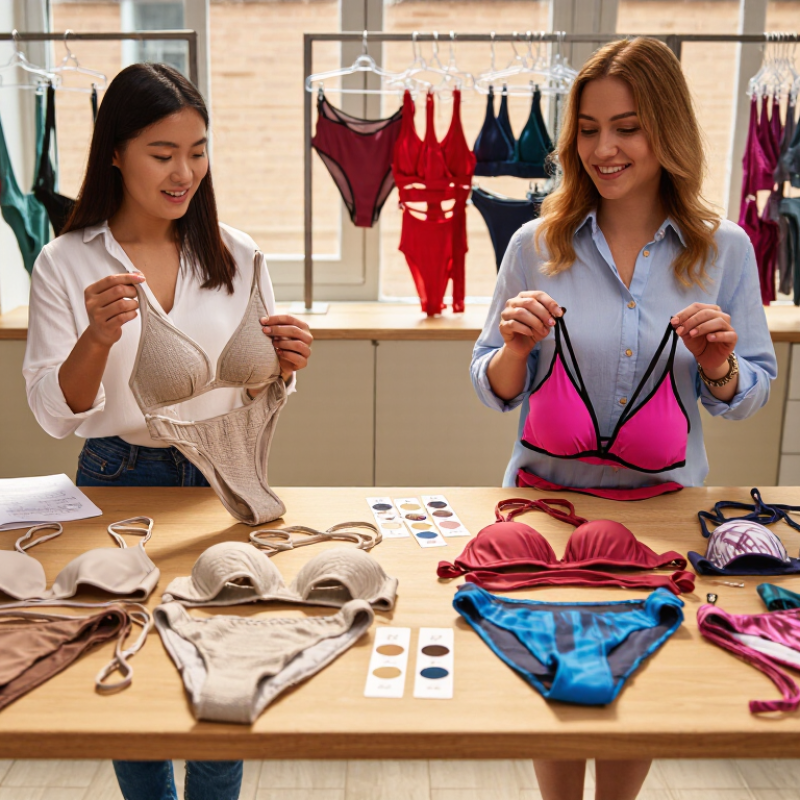
How to Buy Bikinis in Bulk in 2026?

Define Your Bulk Bikini Requirements and Target Market

Before requesting quotes, define who will wear the bikinis and where they will shop. A resort boutique may need textured fabric, adjustable ties, and small color runs. A swim school or family retailer may prioritize secure coverage and durable lining. Write down your target customer’s age range, preferred coverage, price point, and likely purchase season. Be specific. “Affordable” means little without a target retail price.

Size planning matters as much as style. Set a size range and estimate quantities by size and color, using your own sales history when available. If you are new to swimwear, avoid splitting a small order across too many prints; leftover sizes can be hard to sell. Request a size chart, garment measurements, fabric composition, and sample before confirming bulk quantities. Fit varies. A sample can reveal that a top runs small or straps twist when wet—details a product photo will not show.

Market figures can guide planning, but they cannot predict your shop’s demand. Grand View Research valued the global swimwear market at USD 20.7 billion in 2023 and forecast a 5.1% compound annual growth rate from 2024 to 2030. Treat that as category context, not a sales guarantee. Compare it with your local climate, customer profile, and seasonal buying patterns. Small test orders can help. A little guesswork remains, especially for a first collection.

Compare Wholesale Suppliers and Manufacturing Options

Buying bikinis in bulk in 2026 starts with matching the sourcing route to your sales plan. Ready-stock wholesalers suit test orders, tight launch dates, and buyers needing mixed styles. You trade customization for speed, and size runs or colors may be limited. Ask for current stock photos, carton quantities, size charts, and written defect terms before paying. A sample can still differ from the packed lot. Check twice.

Manufacturing offers more control over fabric, lining, prints, hardware, and fit, but requires time and clear specifications. Set the minimum order, sample rounds, delivery window, and measurement tolerances in writing. Compare landed cost, not just unit price; freight, duties, inspection, and rejected pieces change the calculation. Grand View Research valued the global swimwear market at USD 21.22 billion in 2023 and forecast 5.1% annual growth through 2030. Market growth does not guarantee demand for your specific styles.

Textile Exchange’s 2024 Materials Market Report puts polyester at 57% of global fiber production in 2023. Recycled polyester accounted for 12% of polyester output. Ask suppliers for fiber-composition records and supporting documents for any recycled-content claims. Even a careful spreadsheet misses something: fit consistency across sizes is hard to judge before production. Request a graded size set, not just one attractive sample.

Evaluate Product Quality, Pricing, and Compliance

How to Buy Bikinis in Bulk in 2026?

Evaluate Product Quality, Pricing, and Compliance

A low unit price means little if fabric fades after two pool days. Request production samples, then test them wet and dry. Check stitching at leg openings, lining coverage, and whether straps recover after repeated stretching. Swimwear should resist chlorine, saltwater, and sunscreen, but performance varies by fabric blend and construction. Small details matter. Record defects by size and color; one sample may not represent every production batch.

Compare full landed costs, not just factory prices. Include sampling, labels, packaging, freight, duties, and a realistic allowance for defects. Textile Exchange’s Materials Market Report 2024 estimates global fiber production reached 124 million tonnes in 2023, with polyester accounting for 57 percent. That scale makes fiber-content claims worth checking against supplier documents. Ask for composition specifications and any relevant test reports. A spreadsheet can still miss surprise costs, so verify quotations in writing.

Compliance depends on where products will be sold. In the United States, textile labeling rules generally require fiber content, country of origin, and responsible business identification; care instructions are also covered by federal rules. In the European Union, textile products generally need accurate fiber-composition labeling under applicable requirements. Confirm local language and label placement before bulk production. Keep approved label proofs, invoices, and test records together. I would not treat a supplier’s verbal assurance as evidence. Verify it.

Negotiate Terms and Place a Sample-Tested Order

When buying bikinis in bulk, negotiate against a written specification, not a supplier’s product photos. Record fabric composition, lining, color, stitching, size measurements, packaging, delivery dates, and acceptable defect levels. State the price breaks by quantity and clarify deposit, balance, shipping responsibility, and remedies for late or nonconforming goods. Keep it specific. Vague terms can leave both sides arguing over what “acceptable quality” means.

Approve a preproduction sample before authorizing the full run. Check stitching and fit on more than one size, then test fabric for stretch recovery, color transfer, and performance after washing. Ask an independent lab to document any agreed test results. The 2024 NRF and Happy Returns report estimated U.S. retail returns at $890 billion, or 16.9% of annual sales; that figure covers retail broadly, not swimwear alone. Still, it shows why fit and product consistency deserve attention. One missed detail matters. I’d also request a sealed reference sample and written approval record, though this step is easy to skip when deadlines tighten. Tie final payment and shipment approval to the agreed inspection process, and keep a small buffer for corrective production or delayed delivery.

How to Buy Bikinis in Bulk in 2026: Negotiate Terms and Place a Sample-Tested Order

Illustrative size allocation for a 600-piece bulk order—not a market benchmark.

Use sales forecasts to set the size mix, then confirm fabric, colors, minimum order quantities, lead times, payment terms, and quality standards with the supplier. Approve and fit-test a pre-production sample before authorizing the bulk order.

Plan Shipping, Inventory, and Reordering for 2026

How to Buy Bikinis in Bulk in 2026?

Plan Shipping, Inventory, and Reordering for 2026

Bulk bikini planning works best when shipping dates match your selling calendar. Ask suppliers for production and dispatch estimates, then allow time for port handling and local delivery. Build in a buffer of two to three weeks when possible. Delays happen. A shipment arriving after a warm-weather launch can tie up cash and leave shelves empty during peak demand.

Track inventory by size, color, and style, not only by total units. Review sales weekly during busy periods, and compare current stock with confirmed orders. Set reorder points using actual sales speed and supplier lead times. For example, if a popular size sells 12 units weekly and replenishment takes six weeks, 72 units may only cover expected demand, with no cushion. Forecasts are imperfect; last year’s pattern may not repeat.

Tips: Request carton dimensions and packing lists before dispatch, so receiving staff can plan storage. Confirm how partial shipments affect costs and records. Keep a small reserve for fast-selling sizes, but avoid overbuying untested colors. Check stock after each delivery. A few mismatched counts can distort the next reorder.

FAQS

What should I define before ordering bikinis in bulk?

Identify your customer’s age range, preferred coverage, target price, and likely buying season. A resort shop may need textured fabric and adjustable ties. Be specific.

How should I plan sizes, colors, and quantities?

Use sales history to estimate quantities by size and color. New shops should avoid spreading small orders across many prints. Leftover sizes can be difficult to sell.

Why should I request a sample before confirming an order?

A sample can reveal a small top, twisting straps, or uncomfortable coverage. Fit varies. Check more than one size before approving bulk production.

What details belong in a written order specification?

Record fabric composition, lining, color, stitching, measurements, packaging, delivery dates, and acceptable defect levels. Product photos are not enough.

What fabric checks should I request?

Test stretch recovery, color transfer, and performance after washing. An independent lab can document agreed results. One missed detail matters.

Which payment and delivery terms should I clarify?

Confirm quantity-based pricing, deposit, final payment, shipping responsibility, and remedies for late or nonconforming goods. Link shipment approval to inspection results.

How can I estimate demand for a new collection?

Compare customer profiles, local climate, and seasonal buying patterns. Market growth offers context, not a sales guarantee. I may still guess wrong.

Should I order many prints for my first collection?

A small test order can show which styles sell before you expand. Keep a buffer for delays or corrections. It is not foolproof.

Conclusion

Buying Bikinis in bulk for 2026 starts with clear requirements: identify your target customers, preferred styles and sizes, expected order volume, and seasonal demand. Compare wholesale suppliers with manufacturing options, considering minimum order quantities, customization, production timelines, and communication. Request product details and samples before committing so you can assess fabric, fit, stitching, color consistency, and overall durability.

Compare pricing alongside quality, shipping costs, and applicable product requirements, rather than choosing on unit price alone. Confirm payment terms, production schedules, inspection procedures, and what happens if an order arrives with defects. Once a sample meets your expectations, place a clearly documented order and plan for shipping delays, storage, inventory tracking, and seasonal sales. Reviewing sell-through and customer feedback will help you make timely reorders and adjust quantities or styles throughout 2026.

Ethan

Ethan

Ethan is a professional marketing specialist who combines a strong understanding of the company’s products with a clear, customer-focused approach to communication. He regularly contributes expert articles to the company website, explaining product features, practical applications, and key......