0%

Choosing a Bikini manufacturer in China is not simply a matter of finding the lowest unit price. A strong partner must turn sketches into consistent garments, with dependable sizing, clean seams, and fabric that holds its shape after repeated wear. Small details matter: adjustable straps should stay secure, lining should lie flat, and color should remain even across a production run.

Swimwear designer Malia Mills has used the phrase, “How you feel is how you look.” It captures an important point: comfort is part of product quality, not an optional extra. For buyers, that means checking more than catalog photos. Ask about fabric composition, sample development, minimum order quantities, customization, quality checks, and lead times. Request a pre-production sample, then inspect fit and stitching under real conditions. A polished showroom sample is useful, but it cannot tell the whole story.

This guide introduces ten Chinese Bikini manufacturers and the factors buyers can use to compare them. No factory is right for every brand. Some may suit small trial orders; others may be better equipped for larger, repeat programs. Supplier claims still need verification, and a neat website is not proof of consistent production. That part is easy to overlook. The shortlist is a starting point, not a substitute for asking direct questions, reviewing samples, and confirming details in writing. A little skepticism helps. So does patience.
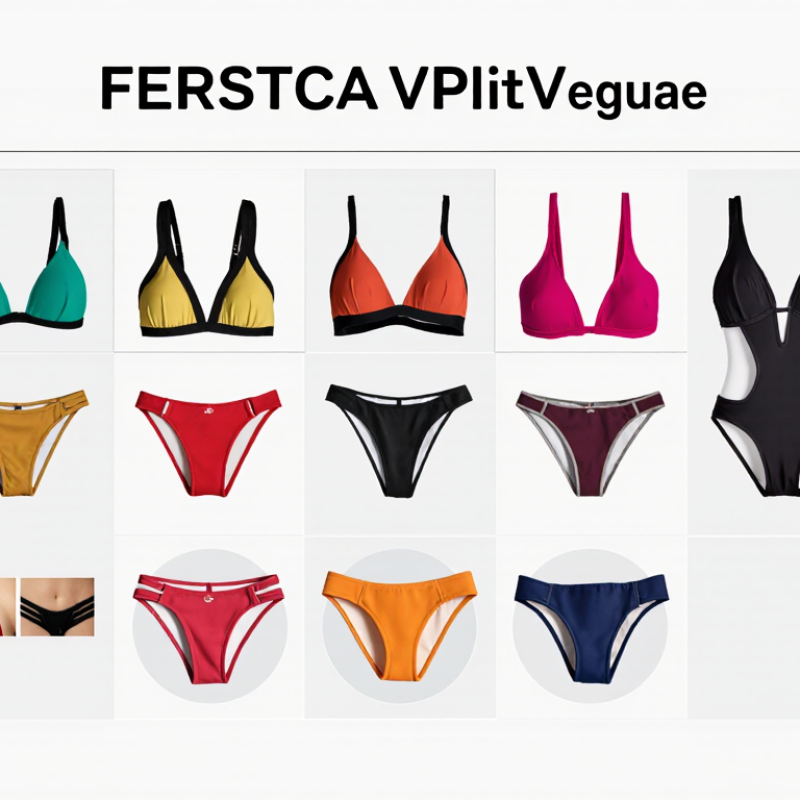
What Are the Top 10 Bikini Manufacturers in China?

How China’s Bikini Manufacturing Industry Is Structured

China’s bikini manufacturing industry is not built around one factory model. It connects fabric mills, trim suppliers, pattern rooms, sewing workshops, and export-focused manufacturers. Some firms develop samples and source materials in-house. Others depend on specialist suppliers for stretch fabric, lining, hooks, and elastic. This division gives buyers more options, but it can make timelines harder to track.

Manufacturers vary in order capacity and service depth. A larger facility may handle repeat orders, quality checks, and shipping coordination. A smaller workshop may give more attention to sampling or construction changes. Neither model is automatically better. Ask how patterns are graded, how fabric shrinkage is tested, and who checks seams and lining before packing. These details matter more than polished product photos. Supply chains can shift between seasons, too. The map is useful, but never perfectly neat.

Tips: Request a physical sample and confirm fabric composition, colors, sizing, minimum order quantity, and lead time in writing. Ask whether the price includes labels, packaging, and inspection. Keep one approved sample as a reference. Small mismatches happen; record them before bulk production.

Key Criteria for Ranking Bikini Manufacturers in China

A useful ranking of bikini manufacturers in China should begin with product quality, not a polished catalog. Inspect samples for even stitching, secure lining, smooth elastic, and consistent sizing across several pieces. Fit matters. Ask how fabric weight, stretch recovery, and colorfastness are checked, and request test records where available. A single attractive sample cannot prove that bulk orders will match it.

Production reliability deserves equal attention. Compare stated minimum order quantities, sample timelines, production capacity, and procedures for handling defects. Clear answers about fabric sourcing and production stages are more valuable than vague promises. Communication is practical evidence, too: note whether specifications are confirmed in writing and whether questions receive precise replies. Small details count.

A strong supplier should explain quality checks at cutting, sewing, and final inspection, with records that can be reviewed. Confirm that the approved sample, size chart, and packaging details are documented before production. No score is perfect. Factory visits or independent inspections can reveal gaps that online claims miss, while one delayed sample may not represent normal performance. Rankings are most useful when criteria and evidence are compared consistently, rather than relying on price alone.

Top 10 Bikini Manufacturers in China

Top 10 Bikini Manufacturers in China

A useful top-10 comparison should look beyond factory size and polished product photos. Strong candidates typically offer swimwear pattern development, sample making, fabric sourcing, and reliable production planning. Ask whether they can work with nylon-spandex blends, textured fabrics, lining, and adjustable hardware. These details affect comfort, fit, and how a bikini holds its shape after repeated wear.

Request a sample before discussing a large order. Check the stitching around the cups and straps, the neatness of the lining, and whether the fabric feels supportive when wet. Ask for clear information about minimum order quantities, sample timelines, color options, and inspection procedures. A responsive contact matters, too; delayed replies can become a real production problem. Some suppliers excel at small custom runs, while others are better suited to repeat orders at higher volumes. There is no perfect fit for every buyer. Compare several qualified manufacturers using the same brief, then review samples side by side. Keep written records of specifications and agreed changes; small misunderstandings can show up in a finished size run.

What Are the Top 10 Bikini Manufacturers in China? - Top 10 Bikini Manufacturers in China

No. Comparison Dimension Common Industry Options What Buyers Should Verify
1 Product Range Bikinis, one-piece swimsuits, tankinis, rash guards, and coordinated cover-ups. Check whether the supplier makes the requested product types in-house and can provide relevant samples.
2 Shell Fabric Swimwear commonly uses synthetic stretch fabrics such as nylon-elastane or polyester-elastane blends. Request the fabric composition, weight, stretch and recovery details, and a swatch for approval.
3 Lining and Support Options may include self-fabric or separate lining, removable cups, and elastic support components. Confirm lining coverage, cup construction, elastic placement, and opacity when wet.
4 Print and Color Common approaches include printed fabric, solid-dyed fabric, color blocking, and custom artwork. Approve a production-representative strike-off or sample and agree on color tolerances before bulk production.
5 Seam Construction Swimwear construction may use stretch-compatible stitching, elastic insertion, and reinforced stress points. Inspect seam stretch, stitch consistency, lining attachment, and stress areas on a finished sample.
6 Size and Fit Development Size ranges and grading depend on the buyer’s target market, fit block, and approved measurement chart. Provide a specification sheet and check fit samples across the required sizes, not only the sample size.
7 Sampling Process Development commonly includes a prototype, fit revision, and a pre-production sample. Confirm sample costs, revision limits, sample timeline, and written approval requirements before production.
8 Minimum Order Quantity Minimums can vary by style, color, fabric, print method, and whether materials are custom-made. Request separate minimum quantities for each style and color; do not assume one minimum applies to every order.
9 Quality and Compliance Buyers may specify inspection procedures and applicable chemical, labeling, and product-safety requirements for the destination market. Ask for relevant test reports or certificates and confirm their scope, validity, and applicability to the actual materials and products.
10 Production and Delivery Production schedules depend on approved samples, material availability, order quantity, and shipping arrangements. Obtain a written schedule covering material sourcing, production, inspection, packing, and dispatch; confirm the shipping terms.

Products and Production Capabilities of Leading Manufacturers

Leading bikini manufacturers in China often cover several product categories, including triangle tops, bandeau styles, high-waisted bottoms, rash guards, and coordinated sets. Their capabilities can include fabric sourcing, pattern development, cutting, sewing, and printing. Some facilities handle digital prints in-house, while others rely on specialist suppliers. Ask which steps take place at the factory.

Fit matters. A capable production team can adjust patterns across sizes and test how elastic edges recover after stretching. For lined styles, check that the lining stays smooth and does not twist near seams. Small details count. Secure straps, even topstitching, and consistent cup placement make samples easier to assess.

Production capacity varies by factory and season. Before placing an order, request a sample, a size chart, fabric composition details, and a realistic lead-time estimate. Ask how the team checks measurements, color consistency, and stitching during production. A polished sample is useful, but it may not reveal every issue. Review a pre-production piece and confirm changes in writing; this step can feel slow, yet skipping it may create avoidable rework.

How to Evaluate and Select a Chinese Bikini Manufacturer

Choosing a Chinese bikini manufacturer takes more than comparing unit prices. Check whether its team regularly makes swimwear, not just general knit garments. Ask for samples in your intended fabric and inspect the seams, lining, elastic recovery, and fit after repeated stretching. Request test records for colorfastness to chlorine, saltwater, and light, linked to the actual fabric lot. A smooth sample is useful. It proves little about bulk consistency.

Capacity and sourcing deserve equal scrutiny. McKinsey and the Business of Fashion reported in The State of Fashion 2024 that 87% of surveyed fashion executives expected sourcing costs to rise that year. Compare quotes by checking what they include: fabric, trims, testing, packaging, and rework terms. Textile Exchange’s Materials Market Report 2024 estimated global fiber production reached 124 million tonnes in 2023, up from 116 million in 2022. For recycled or other specified materials, ask for current transaction documents and verify that the paperwork matches the material ordered.

Before placing a large order, review the manufacturer’s quality-control steps, production capacity, minimum order quantity, and sample-to-bulk process. Ask who approves pattern changes and how defects are recorded. A factory visit or independent audit can clarify whether documented procedures match the production floor. One uncomfortable point: clear communication during sampling does not guarantee reliable delivery under pressure. Start with a controlled order, agree on measurable inspection criteria, and keep written records of changes.

FAQS

How is China’s bikini manufacturing industry organized?

It connects fabric mills, trim suppliers, pattern rooms, sewing workshops, and export-focused manufacturers. Some firms manage several stages, while others use specialist suppliers. The supply chain can shift between seasons.

What should I check in a physical sample?

Look at stitching around the cups and straps, smooth elastic, secure lining, and consistent sizing. Check how the fabric feels when wet. Fit matters.

Does one good sample guarantee a consistent bulk order?

No. A single sample cannot show how every piece in a production run will turn out. Keep an approved sample, size chart, and written specifications as references.

How can I compare manufacturers fairly?

Give each supplier the same product brief. Compare samples, minimum order quantities, timelines, fabric options, inspection steps, and communication. A low price alone tells little.

What production details should I confirm in writing?

Record fabric composition, colors, sizing, order quantity, lead time, labels, packaging, and inspection arrangements. Keep a note of approved changes. Small mismatches happen.

How do manufacturers check bikini quality?

Ask about checks during cutting, sewing, and final inspection. Request available records for fabric stretch, recovery, colorfastness, and shrinkage. Not every supplier checks the same way.

Are larger manufacturers always a better choice?

Not always. Larger facilities may suit repeat orders, while smaller workshops may offer closer attention to samples or construction changes. The right fit depends on the order.

What can cause delays or misunderstandings?

Unclear specifications, slow replies, changing materials, and separate suppliers can make timelines harder to track. Confirm who handles each production stage. Some details get missed.

Conclusion

China’s Bikini manufacturing industry includes a wide range of suppliers, from specialized swimwear workshops to larger factories with integrated design, sampling, and production services. Comparing manufacturers involves more than price: buyers should consider product quality, fabric sourcing, craftsmanship, production capacity, customization options, communication, and the ability to meet delivery schedules. These criteria provide a practical basis for understanding how leading suppliers differ and what each may be equipped to produce.

The top manufacturers can offer varied Bikini styles, sizes, materials, and finishing details, with capabilities suited to different order volumes and product requirements. Before choosing a supplier, buyers should define their design, budget, quantity, and timeline, then request samples and confirm specifications, quality-control procedures, and production terms. Careful evaluation helps identify a manufacturer whose experience and capabilities match the project, supporting a smoother process from initial development through final delivery.

Ethan

Ethan

Ethan is a professional marketing specialist who combines a strong understanding of the company’s products with a clear, customer-focused approach to communication. He regularly contributes expert articles to the company website, explaining product features, practical applications, and key......