Strategic Manufacturing Architecture for Modern Beachwear Brands
In the rapidly changing global retail ecosystem, swimwear sourcing demands far more than basic cut-and-sew operations. Modern apparel brands, dynamic boutique houses, and multinational private labels require precision 2D AutoCAD grading, complete chemical certification under OEKO-TEX® Standard 100, fully verifiable supply chain integrity via the Global Recycled Standard (GRS), and resilient low-MOQ reorder agility. Drawing upon more than three decades of specialized industrial heritage since 1993, this guide provides engineering benchmarks, material comparative analytics, and strategic manufacturing intelligence to scale swimwear lines with maximum commercial certainty.
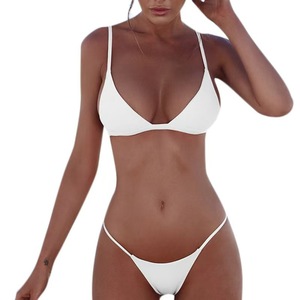
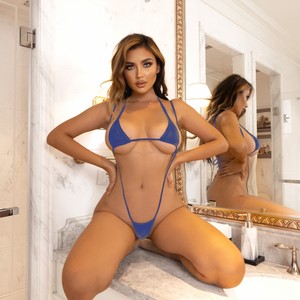
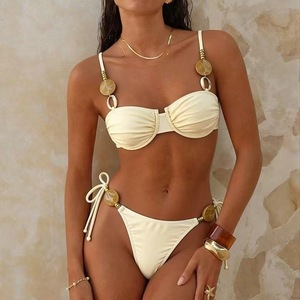
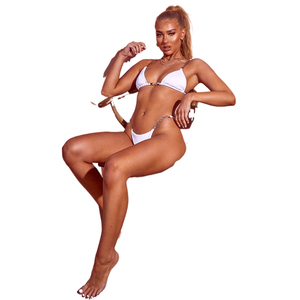
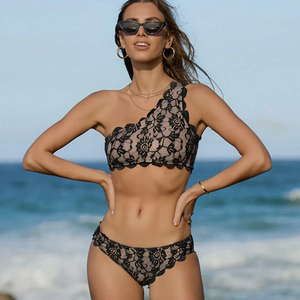
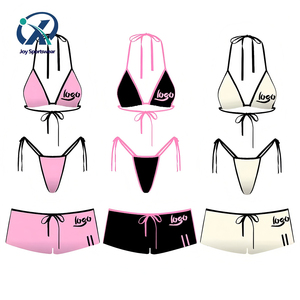
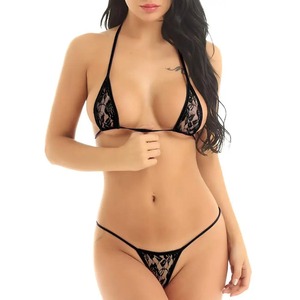
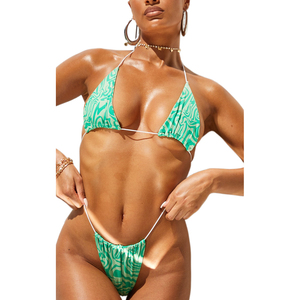
Featured Production-Ready Swimwear Silhouettes
Every silhouette engineered in our sampling facility balances hydrodynamic fit, high-modulus chlorine resistance, and seamless contour construction. Explore eight core designs ready for private label custom branding or technical reproduction.
Future Procurement Trends: Where Swimwear Manufacturing is Headed
Procurement directors and brand strategists must anticipate tectonic shifts across the global supply chain. In an industry historically burdened by excess inventories and single-use microplastics, future-proof manufacturing requires structural alignment across three pillars.
Collection-Level MOQ Agility
Outdated contract factories enforce strict minimums of 500 pieces per color and style, locking brand liquidity into unproven SKUs. Tomorrow's standard operates on aggregate collection quotas (300–400 pieces across 8–12 styles), allowing labels to test diverse silhouettes, sizes, and colors while keeping working capital fluid.
Verified Regenerated Fibers
Greenwashing is being eliminated by consumer scrutiny and legislative compliance (EU Digital Product Passports). Future procurement relies exclusively on authenticated, certified regenerated filaments like ECONYL® (post-consumer marine nylon) and REPREVE®, engineered for UPF50+ defense and sun-oil immunity.
Local In-Stock Raw Material Staging
Waiting 6 to 8 weeks for textile sea freight is no longer sustainable for seasonal demand. Elite manufacturing hubs now integrate on-site, bonded raw-material reserves—maintaining over 200 certified colorways cut-ready in warehouse—compressing bulk turnarounds from months to just 3 to 5 weeks.
Development Evolution: Traditional vs. Next-Generation Swimwear
Modern swim engineering reconciles architectural shape retention with eco-circularity. Below is an engineering comparison of standard fast-fashion specs versus our high-tier Bali production protocol.
| Engineering Vector | Traditional Fast-Fashion Protocol | Next-Gen Engineering Benchmark (Swime Protocol) | Strategic Brand Value |
|---|---|---|---|
| Pattern Drafting | Manual grading or legacy cardboard blocks; prone to dimensional drift. | Precision in-house 2D AutoCAD modeling with sub-millimeter grading across all international size bands. | Achieves high-contour fit on the initial sample; minimizes sampling iterations. |
| Fiber Origin & Impact | Virgin petrochemical polyester; excessive carbon footprint and microplastic shedding. | ECONYL® / REPREVE® Recycled Nylon: 80% lower CO₂, 90% reduced water consumption. | Authenticates premium B2C retail markup ($70–$150/piece) with verified GRS certification. |
| Print Technology | Low-resolution rotary or standard flatbed screening; stiff hand-feel and cracking. | Italian MS Industrial Digital Printing; deep dye penetration into elastic fibers. | Retains ultra-soft tactile drape with zero print breakage during maximum material stretch. |
| Tax & Duty Optimization | Compound tariffs applied on both raw yardage imports and finished goods export. | Bonded Tax-Free Fabric Facility (Licence: KM-1/WBC.12/2016) saving ~35% on raw landing costs. | Immediate 35% margin advantage channeled directly into your finished garment FOB pricing. |
Why Global Tier-1 Independent Brands Manufacture With Us
From boutique Australian pioneers to high-growth Californian swim houses, over 300 labels rely annually on our Kerobokan sampling studio and production network. Here is how our operational model safeguards your brand equity.
Single Dedicated Coordinator
One senior product development coordinator guides your collection from tech-pack translation through DHL dispatch. No departmental hand-off friction.
Guaranteed IP Exclusivity
We manufacture exclusively for independent brands and never retail ourselves. Your custom shapes, prints, and CAD patterns are protected under strict NDA agreements.
Turnkey Retail-Ready Finish
Every piece is delivered heat-pressed with customized branding, barcoded, fabric hang-tagged, and individually sealed in biodegradable zip-lock packaging.
Ethical Studio Standard
Our Kerobokan facility employs 65 specialized artisans earning more than double the local minimum wage, with full medical, clean air, and safe daylight working conditions.
Frequently Asked Questions for Sourcing Directors
Get direct answers regarding minimums, lead times, digital pattern modifications, and pricing structures before beginning development.
What is the exact MOQ framework for girls and womenswear?
What are the exact sampling costs and reimbursement policies?
How are pattern discrepancies resolved during sampling?
What typical retail markups can swimwear brands achieve?
Ready to Build Your Swimwear Collection?
Review our fabric options, examine exact grading rules, and access full FOB unit pricing across all swimwear categories. Connect directly with our Bali studio engineering team.